Llama Christmas, Llama: A Designer's Review for Holiday Stitching
When I first pulled up the Llama Christmas, Llama file on my screen, I wasn't just looking at another seasonal graphic; I was evaluating a potential bestseller for the upcoming holiday rush. As someone who spends more time under a magnifying glass checking stitch paths than I do drinking coffee, my first impression is always about translation. How does this digital illustration move from a flat screen to a textured, three-dimensional handmade product? This design, categorized under Illustrations, immediately strikes a chord with its whimsical yet structured personality. It feels less like a generic clipart and more like a character ready to be introduced to a customer's wardrobe or home decor.
First Impressions: Mood and Visual Personality
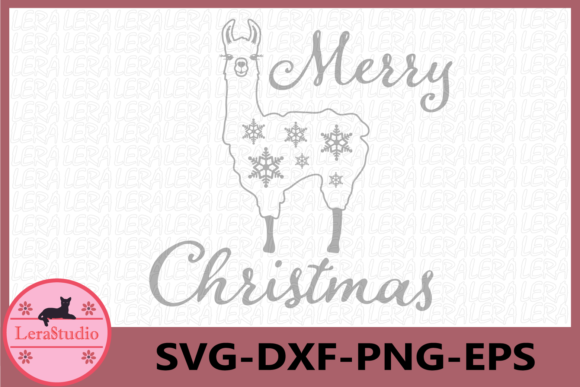
The visual weight of Llama Christmas, Llama is perfectly balanced for the current market trend toward cozy, slightly quirky holiday aesthetics. The shape language is soft and inviting, avoiding the sharp, aggressive lines that sometimes cause tension in smaller hoops. What stands out most is the layout; it feels intentional, with enough negative space to allow the embroidery threads to breathe without merging into a solid blob of color. For an embroidery project intended to evoke warmth, this design delivers. It suggests a narrative—perhaps a llama enjoying a quiet winter moment—which is exactly the kind of storytelling that drives engagement for Etsy sellers and boutique owners.
In terms of detail level, it walks a fine line. It is detailed enough to look professional and high-value but not so intricate that it becomes a nightmare to stitch out on textured fabrics. The visual personality leans heavily into the "modern farmhouse" meets "playful nursery" vibe, making it versatile beyond just December. While the theme is holiday-centric, the charm of the subject matter means it could easily transition into year-round nursery decor if the color palette is adjusted.
Real-World Application: From Screen to Stitch
To truly test the viability of Llama Christmas, Llama, I imagined a specific real-life scenario: a custom order for a local boutique needing a run of limited-edition sweatshirt embroidery for their holiday collection. The client wanted something that felt premium but approachable. Placing this design on a heavyweight, fleece-lined crewneck seemed like the perfect match. The density of the fill areas would sit beautifully on the loftier fabric, creating a tactile contrast that customers love to touch.
However, versatility is key for a craft business. I also visualized this as a tote bag design. On a canvas tote, the crispness of the outlines would need to hold up against the weave of the fabric. If the stitch density is too low, the canvas might peek through, ruining the solid color blocks. Conversely, if it is too high, the bag could pucker. For a personalized gift like a baby onesie, the scale would need to be reduced significantly. This is where the quality of the original digital embroidery file matters most. Does the scaling maintain the integrity of the small details, or do the tiny elements disappear?
For commercial embroidery projects, consistency is everything. If you are producing fifty units, every single finished product must look identical. Llama Christmas, Llama appears robust enough to handle repeat stitching, provided your machine maintenance is up to par. It would also work exceptionally well as an embroidered patch, where the merrowed edge could frame the illustration nicely, adding a layer of durability for items that will see frequent wear.
Technical Considerations and Fabric Challenges
No design is without its challenges, and a honest review requires addressing where Llama Christmas, Llama might demand extra caution. First, consider the hoop size. While the design looks compact, ensure you have the correct hoop dimensions available before committing to a project, especially if you are working with curved surfaces like caps. Embroidering on a cap requires a different mindset; the curvature can distort the image if the design is too wide or if the underlay isn't sufficient.
Fabric texture plays a massive role here. On smooth, tight-weave cotton or poly-blends, the satin stitch and fill stitch elements should render cleanly. However, on looped towels or fuzzy sweaters, you risk the stitches sinking in. In these cases, using a heavier cut-away stabilizer is non-negotiable. For dark fabrics, you must verify the thread colors specified in the file. Does the design include a proper underlay to prevent the dark background from showing through lighter thread colors? If not, you may need to manually adjust the stitch sequence or add a backing layer to ensure vibrancy.
Small details are often the first to suffer in production. Look closely at any tiny lettering or minute decorative accents within the illustration. If these elements rely on a running stitch that is too sparse, they may not survive industrial washing or heavy use. For items like kitchen towels or aprons that face frequent laundering, durability is paramount. You might consider simplifying some of the tiniest internal details if you plan to sell these as high-durability goods.
Enhancing Brand Value and Customer Trust
Ultimately, the choice of design assets directly impacts your brand perception. Using a high-quality file like Llama Christmas, Llama signals to your customers that you care about quality. A sloppy stitch-out can undermine trust, but a crisp, well-executed design enhances the perceived value of your small shop product. It transforms a simple piece of clothing into a keepsake.
For those creating printable mockups for online listings, this design offers strong visual appeal. Its clear shapes translate well into digital previews, helping buyers visualize the final result. This clarity drives buyer engagement and reduces the likelihood of returns due to "expectation vs. reality" mismatches. When a customer sees a clean, professional representation of what they are buying, their confidence in your handmade presentation skyrockets.
Practical Notes for the Professional Maker
Before you commit to a full production run or list this item in your store, follow these practical steps:
- Test on Scrap Fabric: Always stitch a sample on the exact same material and weight you intend to sell. Do not skip this step.
- Check Thread Contrast: View your test stitch-out in black and white (or take a photo and desaturate it) to ensure the tonal values separate clearly.
- Review Stitch Density: Poke the back of the design. Is it stiff as a board? If so, reduce the density to improve drape, especially for apparel.
- Inspect Small Details: Use your magnifier to check for thread breaks or bird nests in the tightest corners of the design.
- Verify Licensing: Since this is a creative asset, confirm the license terms. Are you allowed to sell physical finished items? Can you resell the embroidery file itself? Never assume; always read the terms provided by the creator.
- Stabilizer Selection: Match your stabilizer to the fabric. Water-soluble for towels, cut-away for stretchy knits, and tear-away for stable wovens.
In conclusion, Llama Christmas, Llama is a strong contender for your holiday lineup. It balances charm with technical feasibility, making it suitable for a wide range of applications from baby embroidery to adult custom apparel. By approaching it with a critical eye and respecting the limitations of your materials, you can turn this digital illustration into a tangible asset that boosts your sales and delights your customers.