Review: Japanese Watercolor Zen Art, Night for Embroidery
When I first pulled up the Japanese Watercolor Zen Art, Night file on my screen, I didn't immediately think about stitch counts or thread charts. My first reaction was purely atmospheric. There is a quietude to this piece that feels rare in the world of digital design assets. As someone who spends hours staring at vectors and digitized patterns, finding an Illustrations-style design that actually translates well into thread is often a challenge. Many watercolor-inspired files lose their soul when converted into rigid machine embroidery design formats, becoming blocky or losing that essential fluidity. However, this specific night-themed piece holds a promise of elegance that I wanted to test against the reality of the hoop.
The Mood and Visual Personality
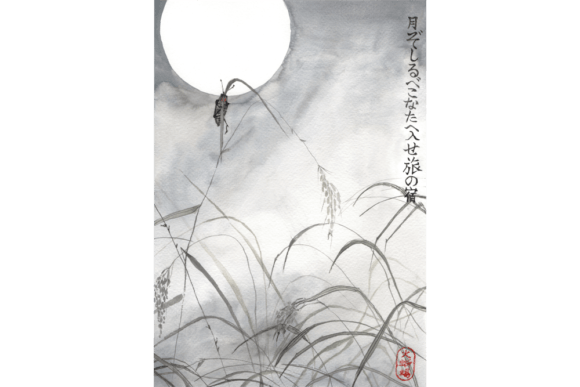
The core appeal of Japanese Watercolor Zen Art, Night lies in its restraint. It does not scream for attention; instead, it invites the viewer to lean in. The composition suggests a moonlit landscape or perhaps abstract botanical elements shrouded in evening mist. For an embroiderer, this presents a fascinating puzzle. How do you replicate the bleed of watercolor paint with polyester thread? The answer lies in how the digitizer handled the transitions. In this file, the shapes feel organic rather than geometric. If you are looking for a personalized gift that conveys calmness and sophistication, this visual personality is spot on. It moves away from the cartoonish or overly bright aesthetics common in hobbyist catalogs and steps firmly into the realm of boutique branding.
Real-World Application: The Boutique Tote Scenario
To truly evaluate this embroidery file, I imagined a specific client project. Picture a small shop owner selling eco-friendly canvas goods. They need a tote bag design that appeals to customers who value mindfulness and art. Placing Japanese Watercolor Zen Art, Night on a natural, unbleached cotton tote creates an immediate high-end feel. Unlike a standard logo slap, this design acts as a piece of wearable art.
I can visualize this working exceptionally well as a centered chest piece on a heavyweight hoodie or a sweatshirt embroidery project. The dark, moody tones implied by the "Night" title would pop beautifully against heather grey or deep navy fleece. For an Etsy seller, this kind of versatility is gold. You aren't just selling a stitched item; you are selling a vibe. The design's layout suggests it would also shine as a large back patch on a denim jacket or a subtle accent on a linen apron. The key here is scale. Because the design relies on atmosphere, shrinking it down too much for a small pocket might cause those delicate watercolor edges to merge into a muddy blob.
Navigating Fabric and Stitch Challenges
While the aesthetic is stunning, practical execution requires caution. Watercolor styles often rely on low-density areas to mimic the transparency of paint. When working with Japanese Watercolor Zen Art, Night, you must be mindful of your stitch density. If the digitizing is too sparse, the fabric texture will show through in a way that looks like a mistake rather than an artistic choice. Conversely, if it is too dense, you lose the ethereal quality.
This brings us to fabric selection. This design is not ideal for highly textured fabrics like thick terry cloth or bouclé, where the fine details of the running stitch or light fill stitch areas could get lost in the pile. It performs best on smooth, stable surfaces. Think quilting cotton, polished twill, or high-thread-count linens. If you attempt this on a stretchy jersey knit without the proper stabilizer, the risk of distortion is high. The organic shapes of the zen art will look warped if the fabric shifts during stitching. For curved surfaces like caps, I would advise against using this unless you have significant experience mapping complex, non-geometric designs onto a 3D form. The flow of the watercolor effect needs a flat canvas to breathe.
Color Strategy and Thread Selection
One of the most critical decisions when using Japanese Watercolor Zen Art, Night is thread selection. Since watercolor art is defined by blending, you cannot simply pick one shade of blue or black. You need a gradient. I recommend pulling out your variegated threads or planning a manual blend using multiple spools of similar hues—slate, midnight, charcoal, and perhaps a touch of pale silver or moonlight white for highlights.
If you are creating a printable mockup for your online store before stitching the actual finished product, test how the design looks in grayscale. A true test of a design's strength is whether it holds up without color. If the contrast between the satin stitch outlines and the fill areas disappears in black and white, your customers might struggle to make out the image from a distance. This is particularly important for commercial embroidery projects where brand recognition matters.
Commercial Viability and Buyer Engagement
For the craft business owner, the value of this design extends beyond the stitch. It elevates the perceived value of the handmade product. A simple pillow cover becomes a statement piece; a baby onesie transforms into a heirloom-quality baby embroidery item. Customers are increasingly drawn to items that feel curated and unique. Using a design like this signals that you care about aesthetics, not just output speed.
However, always verify the licensing terms. Just because a file looks artistic doesn't mean it is free for unlimited commercial use. Ensure you have the right to sell items featuring Japanese Watercolor Zen Art, Night if you plan to list them as a small shop product. Additionally, check the available hoop size options. If the design is only available in a large format, it limits your ability to offer it as a small accent on cuffs or collars.
Final Verdict for the Practical Designer
Before committing to a production run, my advice is to stitch a test sample on scrap fabric that matches your intended final material. Pay close attention to the corners and the finest lines. Does the thread break? Do the colors blend smoothly, or are there harsh jumps? Use these observations to adjust your tension or stabilizer choice.
Ultimately, Japanese Watercolor Zen Art, Night is a sophisticated choice for designers who want to move beyond generic motifs. It fits perfectly into the current trend of mindful living and artisanal home decor. Whether you are creating holiday embroidery gifts for family or building a collection of custom apparel for a boutique, this design offers a serene, professional finish. Just respect the nuances of the medium, choose your fabrics wisely, and let the zen of the design guide your stitching process.