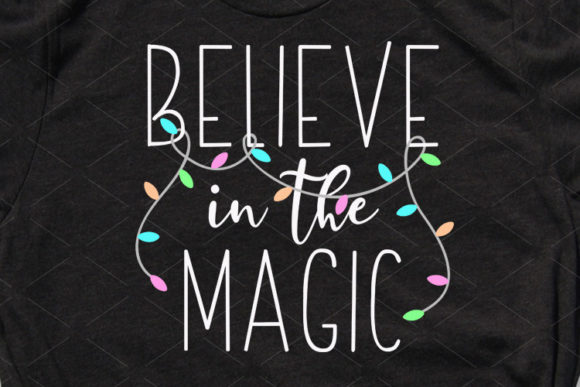
Review: Believe in the Magic Merry Christmas Design
As a designer who spends more time at the hoop than away from it, I approach every new machine embroidery design with a critical eye. It is not just about whether the image looks cute on a screen; it is about how those digital vectors translate into physical thread on fabric. Today, I am evaluating the Believe in the Magic Merry Christmas file, a piece categorized under Illustrations, to see if it holds up for real-world commercial and personal projects.
My first impression of this design is that it captures a whimsical, nostalgic mood perfectly suited for the holiday season. The layout suggests a balance between decorative elements and legible typography, which is often the hardest tightrope to walk in holiday digitizing. When I visualize this stitched out, I do not see a generic clip-art feel; instead, I see a design with enough personality to elevate a handmade product from a simple craft to a boutique-quality item. The visual flow seems designed to draw the eye inward, making it an excellent candidate for center-chest placements on apparel or focal points on home decor.
Real-World Application: The Holiday Tote Scenario
To truly test the viability of Believe in the Magic Merry Christmas, I imagined a specific client request: a set of custom reusable tote bags for a local bakery's holiday gift sets. This is a common scenario for Etsy sellers and small shop product creators. For this application, the design needs to be robust enough to withstand the tension of canvas fabric while remaining delicate enough to convey that "magical" feeling.
If I were stitching this onto a heavy cotton canvas tote bag design, the illustration style would likely rely on a mix of fill stitch for solid areas and satin stitch for borders or text. The success of this project hinges on how the design handles the texture of the bag. A design that is too dense might cause the fabric to pucker, ruining the flat surface needed for a professional look. Conversely, if the stitch count is too low, the canvas weave might show through, cheapening the finished product. Based on the visual complexity of this illustration, it appears substantial enough to cover the fabric grain without looking like a solid block of thread, which is crucial for maintaining the airy, magical aesthetic.
Versatility Across Custom Apparel and Decor
Beyond tote bags, this design shows strong potential for custom apparel. Imagine a heather grey crewneck sweatshirt. The sweatshirt embroidery market is saturated during Q4, and standing out requires designs that feel intentional. Believe in the Magic Merry Christmas fits well here because illustrative styles tend to age better than trendy, ultra-minimalist fonts. It would also work beautifully as a baby embroidery motif on a onesie or bib, provided the scale is adjusted correctly. Parents love holiday items that feel soft and storybook-like, and this theme delivers that emotional connection.
For home decorators, this file could be the star of a kitchen towel collection or a pillow cover. When used on terry cloth or linen, the thread colors chosen will play a massive role. A high-contrast palette might pop on a dark towel, while a tonal approach using varying shades of red and green could create a sophisticated, understated look for a living room pillow. The versatility of this digital embroidery file allows it to cross over from playful children's wear to elegant adult holiday attire, making it a valuable asset for a diverse craft business.
Technical Considerations and Fabric Challenges
However, no design is without its challenges, and a responsible reviewer must point out where caution is needed. Because this is an illustration, it likely contains fine details and potentially small lettering. If you are planning to use this on a curved surface like a cap, you must be extremely careful. Caps are unforgiving; detailed corners and tiny text can distort easily on the front panel curve. I would advise against using this specific design on hats unless you have confirmed the digitizer optimized it for round hoops.
Similarly, fabric texture matters immensely. If you attempt this on a stretchy knit without the proper stabilizer, the magic will quickly turn into a mess of puckering. For thin fabrics like silk blends or lightweight polyesters, the stitch density must be checked. If the design is too heavy, it will weigh down the garment and cause tearing over time. Always test on scrap fabric first. I recommend running a test stitch-out on the exact material you intend to sell to ensure the running stitch underlays are sufficient to prevent shifting.
Dark fabrics present another hurdle. If the design relies on light thread colors to create its magical glow, stitching it onto black fleece requires a solid underlay to prevent the dark background from muting the vibrancy. Without a proper white or light-grey underlay, your reds and greens may look muddy. This is a common pitfall in commercial embroidery that can lead to customer returns if not addressed during the setup phase.
Enhancing Brand Value and Customer Trust
Ultimately, the choice of design impacts your brand perception. Using a high-quality, well-thought-out file like Believe in the Magic Merry Christmas signals to your customers that you care about quality. In the world of personalized gift selling, trust is everything. A clean, crisp stitch-out builds confidence, encouraging repeat buyers and positive reviews. Whether you are creating printable mockups for your online store or displaying physical samples at a craft fair, the professionalism of the embroidery reflects directly on your business reputation.
This design also offers great potential for embroidered patch creation. If you have the capability to cut and seal edges, turning this illustration into an iron-on patch could open up a completely new revenue stream. Patches are popular for customizing denim jackets and backpacks, allowing customers to engage with your art in a modular way.
Final Designer Notes and Best Practices
Before committing to a production run, there are several practical steps every maker should take. First, verify the hoop size requirements. Ensure your machine can accommodate the dimensions without needing to re-hoop, which can lead to alignment issues. Second, review the color sequence. Does the design require frequent thread changes? If so, factor that extra time into your pricing model, especially for bulk orders.
It is also vital to check the licensing terms associated with this design asset. While many files allow for unlimited physical sales, some restrict the number of items or prohibit selling the digital file itself. Always read the fine print to protect your small business from legal complications. Finally, consider how the design looks in black and white. If you plan to offer monochrome options for a modern twist, ensure the contrast remains clear without the aid of color.
In conclusion, Believe in the Magic Merry Christmas appears to be a versatile and emotionally resonant choice for the holiday season. With careful attention to fabric selection, stabilizer use, and technical setup, it has the potential to become a bestseller in your holiday embroidery collection. It bridges the gap between whimsical art and commercial viability, offering a solid foundation for creating memorable, high-value products.