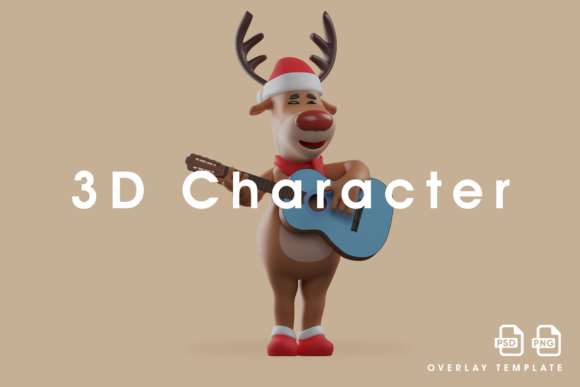
Review: Christmas Deer Cartoon 3D Playing Guitar
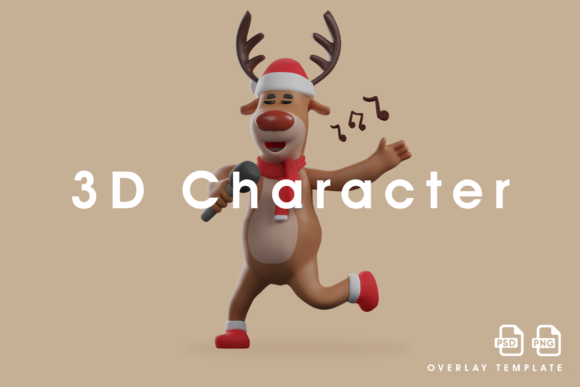
As a designer who spends more time staring at stitch simulations than most people care to admit, I approach every new machine embroidery design with a mix of curiosity and skepticism. When I first pulled up the Christmas Deer Cartoon 3D Playing Guitar file on my screen, my immediate reaction was one of genuine delight. There is a specific charm to holiday illustrations that manage to be festive without feeling cliché, and this design hits that sweet spot. The concept of a deer strumming a guitar immediately evokes a cozy, musical winter evening, making it a strong contender for anyone looking to add personality to their handmade product lineup this season.
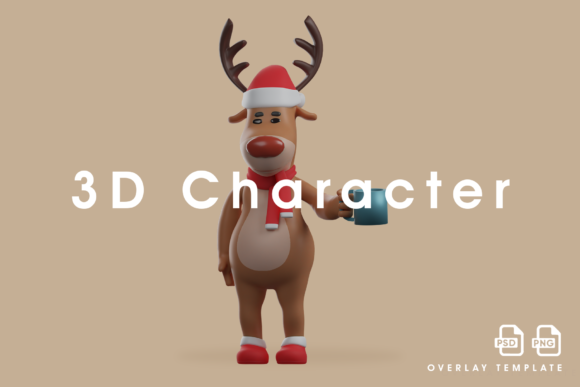
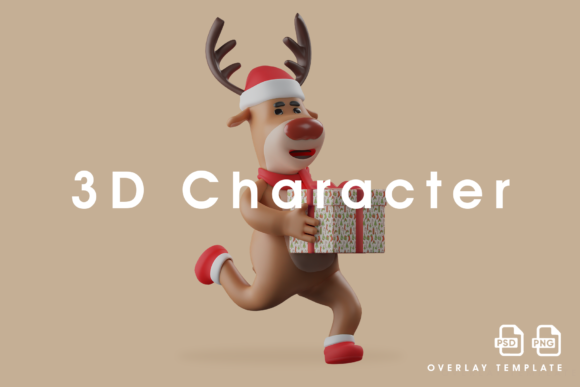
The visual personality of this piece leans heavily into the whimsical. It is not trying to be a hyper-realistic wildlife study; instead, it embraces the cartoon aesthetic with bold lines and a playful stance. For those of us working in the craft business, understanding the mood a design creates is half the battle. This particular illustration screams "fun" and "approachable." It feels right at home on a child's winter coat or a quirky tote bag, rather than a formal table runner. The 3D effect mentioned in the title suggests a layering of stitches that gives depth to the character, which is crucial for catching the eye in a crowded Etsy seller marketplace or a busy craft fair booth.
Real-World Application: The Holiday Tote Bag Test
To truly gauge the value of an embroidery file, I like to imagine it in a specific, real-life scenario. Let's say I am preparing a run of custom tote bag design options for a local boutique that wants exclusive holiday merchandise. The Christmas Deer Cartoon 3D Playing Guitar would be my top pick for their canvas shopper bags. Why? Because the scale of the deer and the guitar fits perfectly within a standard 5x7 or 6x10 hoop, allowing the design to breathe without getting lost in the fabric weave.
In this scenario, the clarity of the guitar strings and the deer's facial expression becomes paramount. If the stitch density is too high, the details might merge into a solid blob on a textured canvas. If it is too low, the backing might show through. A well-digitized illustration like this should utilize a combination of satin stitch for the outlines and defining features, and a balanced fill stitch for the body of the deer. When stitched out on a natural cotton canvas, the contrast between the thread and the fabric texture can make the "3D" pop, creating a tactile experience that customers love to touch. This tactile quality increases the perceived value of the finished product, turning a simple bag into a cherished personalized gift.
Versatility Across Custom Apparel and Decor
Beyond tote bags, this design shows immense potential for custom apparel. Imagine this deer embroidered on the chest pocket of a flannel shirt or centered on the front of a heavy-weight sweatshirt embroidery project. The cartoon style pairs exceptionally well with the casual nature of fleece and knit fabrics. For baby embroidery projects, such as a holiday onesie or a nursery blanket, the gentle curves and non-threatening character of the deer make it an ideal choice. Parents are always looking for unique holiday embroidery that isn't just another generic snowflake, and a musical deer offers a fresh narrative.
For the small shop product creator, versatility is key to maximizing ROI on design assets. This illustration could easily be adapted into an embroidered patch. By adding a merrow edge or a tight satin border around the perimeter, you create a standalone accessory that can be ironed onto jackets or hats. This expands your inventory without requiring new digitization work. Furthermore, for digital product sellers, this design serves as excellent content for printable mockup libraries. Showing how the Christmas Deer Cartoon 3D Playing Guitar looks on various garments helps clients visualize the end result, boosting buyer engagement and trust.
Technical Considerations and Fabric Challenges
However, no design is without its challenges, and a professional review must address where caution is needed. While the cartoon style is forgiving, the "3D" aspect implies potential layering or dense stitching. When working on stretchy fabrics like jersey knits for t-shirts, you must be vigilant about using the correct stabilizer. A design with significant fill areas can cause puckering if the fabric isn't properly supported. I always recommend testing the design on scrap fabric of the same weight and stretch before committing to a client's garment.
Curved surfaces present another hurdle. If you plan to use this on a cap or a structured hat, the placement of the guitar neck and the deer's antlers needs careful alignment. These protruding elements can distort if stitched over a highly curved seam. Additionally, dark fabrics require a thoughtful approach to thread colors. The original color palette of the design might rely on light threads that could look washed out against black navy fleece. In such cases, consider running a test to see if the contrast holds up, or if slight adjustments to the thread chart are necessary to maintain the visual impact.
Small details are often the first to suffer in lower-quality digitizing. Inspect the tiny corners of the guitar and the deer's hooves. If these areas are filled with excessive running stitch or overly dense satin columns, they may become fragile after repeated washing. For items like kitchen towels or aprons that will see frequent use and laundering, durability is as important as aesthetics. Ensure that the tie-offs are secure and that the stitch count doesn't compromise the integrity of the underlying fabric.
Enhancing Brand Value and Customer Trust
Ultimately, the choice of design reflects on your brand. Using a high-quality, charming illustration like the Christmas Deer Cartoon 3D Playing Guitar signals to your customers that you care about the details. It moves your offerings away from mass-produced generics toward curated, thoughtful design assets. When a customer receives a product featuring a clear, well-stitched character with distinct personality, it builds trust. They recognize the effort put into the embroidery project, which fosters loyalty and encourages repeat business.
For the commercial embroidery professional, consistency is vital. If this design fits your brand's aesthetic—perhaps you specialize in whimsical, story-driven holiday goods—it should become a staple in your seasonal catalog. However, always verify the licensing terms associated with the file. Just because a design is available for purchase does not automatically grant rights for unlimited commercial resale or digital redistribution. Confirming these terms protects your craft business from legal headaches down the line.
Final Designer Notes for Success
Before launching this design into production, here is a quick checklist to ensure success:
- Test First: Always stitch a sample on the actual fabric you intend to sell. Check for puckering, thread breaks, and color accuracy.
- Check Contrast: View your test stitch-out in black and white (or take a photo and desaturate it) to ensure the shapes remain distinct without relying solely on color.
- Review Density: Feel the back of the stitch-out. If it feels like a solid sheet of plastic, the density might be too high for comfortable wear on apparel.
- Confirm Hoop Size: Ensure the design fits your available hoops without needing to re-hoop mid-design, which can lead to alignment issues.
- Licensing: Double-check the license agreement regarding the number of physical items you can sell and whether digital sharing is permitted.
In conclusion, the Christmas Deer Cartoon 3D Playing Guitar is a delightful addition to the Illustrations category. It balances festive spirit with modern playfulness, making it a versatile tool for creators. Whether you are stitching a single personalized gift for a family member or producing a small batch of merchandise for your online store, this design has the potential to bring joy and a touch of musical magic to your holiday collection. With proper preparation and attention to fabric compatibility, it can be a standout star in your portfolio of finished product offerings.